Welcome to Urban Green Crop Science

Importance of Micronutrients in Crop Growth: Zinc, Boron, Iron, Magnesium and Calcium
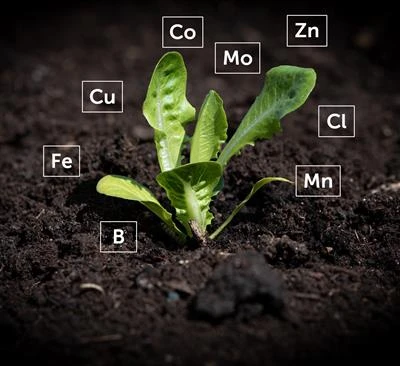
Crop nutrition is not limited to nitrogen, phosphorus, and potassium. Plants also require several secondary and micronutrients for normal growth and development. Although these nutrients are required in comparatively smaller quantities, their role in crop nutrition can be significant. Zinc, boron, iron, magnesium, and calcium are among the important nutrients included in crop nutrition programs.
Urban Green Crop Science offers a range of micronutrient and secondary nutrient products designed to address different crop nutrition requirements.
What Are Micronutrients?
Micronutrients are essential plant nutrients required in relatively small quantities. Important micronutrients include zinc, iron, boron, copper, and manganese. Secondary nutrients such as calcium, magnesium, and sulphur are also important for plant nutrition.
The requirement for these nutrients varies depending on crop type, soil conditions, growth stage, and environmental conditions.
Importance of Zinc in Crops
Zinc is an important micronutrient associated with several physiological processes in plants.
Urban Green Crop Science offers:
ULTRA-FERT Zinc SC Oxide 39.5%
and
ULTRA-FERT Chelated Zinc as Zn-EDTA (Zn-12%)
These products provide different zinc formulations for crop nutrition. Chelated zinc products can be particularly useful where a chelated micronutrient formulation is preferred. Product selection and dosage should be based on crop requirements and label recommendations.
Boron for Flowering and Crop Development
Boron is an important micronutrient in plant development and is particularly associated with reproductive growth and crop development.
Urban Green Crop Science offers Boron 20%, a soluble boron fertilizer formulation. Boron nutrition is relevant to crops during stages where flowering, pollination, and fruit development are important. However, because micronutrients are required in relatively small quantities, excessive application should be avoided, and the recommended dosage should be followed carefully.
Iron and Chlorophyll Formation
- Iron is another essential micronutrient required by plants. It is closely associated with chlorophyll formation and normal plant metabolism.
- Urban Green Crop Science offers ULTRA-FERT Chelated Ferrous as Fe-EDTA-12%.
- Chelated iron formulations provide an option for crop nutrition programs where iron supplementation is required.
Role of Magnesium in Plants
- Magnesium is a secondary nutrient and an important component associated with chlorophyll. It therefore has an important role in photosynthesis.
- ULTRA-FERT Magnesium Sulphate 9.5% supplies magnesium along with sulphur.
- Magnesium nutrition can be incorporated into crop programs where crops require additional magnesium and sulphur. The appropriate rate should be selected based on crop requirements.
Importance of Calcium
- Calcium is important for plant structural development and is commonly included in crop nutrition programs focused on fruit quality and plant growth.
- Urban Green Crop Science offers Calcium Concentrate 11% as well as calcium-based formulations such as Calcium Nitrate Fortified with Magnesium.
- Calcium nutrition should be managed according to crop requirements, especially during important growth and fruit development stages.
Why Micronutrient Management Matters
One of the key principles of crop nutrition is balance. Applying only major nutrients may not address every nutritional requirement of a crop.
A crop may require:
- Nitrogen for vegetative growth
- Phosphorus for root and reproductive development
- Potassium for crop quality and development
- Calcium for structural development
- Magnesium for chlorophyll-related functions
- Zinc for micronutrient nutrition
- Boron for reproductive development
- Iron for normal plant development
The actual requirement depends on soil conditions, crop variety, crop stage, and nutrient status.
Urban Green Crop Science focuses on crop nutrition products designed for modern agricultural requirements. Its portfolio includes liquid fertilizers, water-soluble fertilizers, micronutrients, and secondary nutrient formulations.
The range includes zinc, boron, iron, calcium, and magnesium products along with phosphorus- and potassium-based fertilizers.